Today's topic is Waterproof Vs Water Resistant Flooring. Obviously, you can find a great deal of Best Waterproof Laminate Flooring-related content online. The proliferation of online platforms has streamlined our access to information.
There is a connection between the Water-Resistant Flooring In Bathroom and Best Waterproof Flooring information. additional searching needs to be done for Waterproof Vs Water-Resistant Vinyl Flooring, which will also be related to Which Is Better Waterproof Or Water-Resistant Flooring.
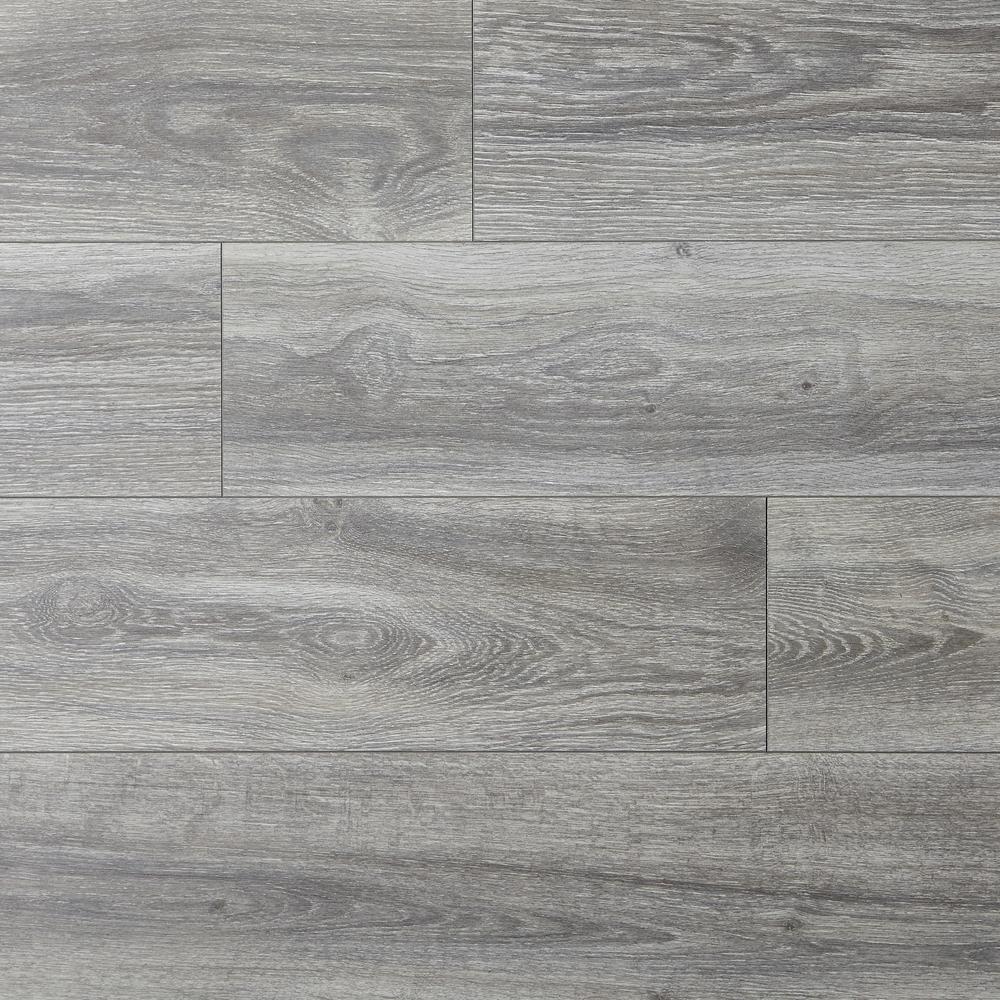
97 Best Waterproof Vs Water Resistant Flooring | Water-Resistant Flooring In Bathroom
- : Linoleum is regarded as a water-resistant material, but not waterproof. It is made from organic material including linseed oil, wood and cork flours, and tree resins. Regular sealing improves the water-resistance of linoleum, but tile floors will always be an issue due to the many seams. Bamboo flooring: Though bamboo flooring is made of organic material, the bamboo is heavily imbued with chemicals and resins that are water-resistant, though not waterproof. Source:
Internet - Regardless of their marketing, all waterproof speakers, phones, watches, and cameras feature small seams from the assembly process. No matter how tightly the pieces fit or the type of gaskets used, water will penetrate those cracks at a certain depth or level of submersion. When the water pressure exceeds the amount of pressure the seam can hold back, in the water goes. Source:
Internet - In an effort to expand the market, manufacturers have tried to develop true "waterproof" versions. These usually involve factory application of a thick waterproof coating to the tops and sometimes the edges of the planks. But generally speaking, the warranties on most of these products make it clear that they are by no means "waterproof," and at best can be described as "water-resistant." The warranties have many restrictions, such as cautioning against installing the flooring in humid conditions, placing heavy objects such as refrigerators or kitchen islands on it, or leaving water puddling on the floor for more than 24 hours. Source:
Internet - If you’re confused about the difference between the terms “water-resistant” and “waterproof,” don’t worry, you’re in good company. The debate surrounding water-resistant vs. waterproof products and materials is long-lived, and few people truly understand the difference. Source:
Internet - : Vinyl tile, like the other resilient floors here, is a 100 percent waterproof material. However, the many seams in a tile installation allow more opportunities for water to seep down into the subfloor. Concrete: Properly sealed concrete is excellent against water. Once rare except for utility areas, concrete is gaining in popularity for living areas thanks to new options for colorizing and texturizing it. Source:
Internet - Waterproof laminate flooring is maintained the same way as standard laminate. Simple sweeping and dust-mopping should be done regularly, and deeper cleaning should be done with a damp mop or cloth moistened with an approved laminate cleaning product. Never wet-mop any laminate floor, nor should you ever use a steam cleaner. Source:
Internet - Remember, your flooring professionals at The Good Guys can always help you navigate through options of water-resistant vs waterproof flooring and bad vs. good world of bathroom flooring. So don’t hesitate to reach out before you start your project. Get The Good Guys involved early and use our experience to help with planning and product selections. Source:
Internet - We are often asked is laminate flooring water resistant. The answer is yes and no. With new laminate technology, many manufacturers are now offering water resistant and waterproof laminates that can withstand spills and surface moisture. Source:
Internet - Similarly, a basement waterproofing product would seal water out, keeping it from getting into the basement. This could be a rubber membrane on the outside of the foundation, an epoxy coating on the inside, or a number of other types of products. The point is that water cannot seep through the seal. Source:
Internet - We currently have a wide array of water-resistant laminates that are designed to better withstand moisture or spills. They come in a range of colors and styles to customize your space. Check out our blog on waterproof & water-resistant laminate flooring for more information about water-resistant laminate! Source:
Internet - Waterproof laminate flooring, to the degree that it is genuinely waterproof, offers advantages over standard laminate flooring, since spills and stains are less likely to ruin the floor. Other than this, this flooring has the same profile as any laminate flooring. It can be rather hard underfoot, as well as noisy. But its easy installation makes it attractive to DIYers. Source:
Internet - Since the introduction of the first "click-and-lock" laminate flooring products during the 1990s, homeowners have been looking for types of laminates that are suitable for wet locations, such as bathrooms and basements. Laminate floors have become a favorite of DIYers thanks to their relatively low cost, attractive look, and easy installation, but laminate flooring products earned a reputation for being problematic wet locations. Even those forms marketed as "water-resistant" or "suitable for damp locations" are not nearly as well suited for bathrooms and similar locations as vinyl flooring or ceramic tile. Homeowners who install plastic laminate floors in busy family bathrooms often come to regret the choice. Source:
Internet - These important spaces, however, come with some special considerations when it comes to finishes – in particular the flooring. And the main fulcrum for these considerations: water. That’s right, water in all of its various forms can wreak havoc on the home, and bathroom flooring often catches the majority of errant water. Source:
Internet - Waterproof flooring means that it can withstand any amount of water, from moisture in the air to flooding without damaging the floor. Many luxury vinyl flooring options, such as Shaw Floorte and USFloors CORETec, are waterproof, but not all of them are. The ones that are will say 100% waterproof. One important thing to remember about waterproof flooring is that while the flooring itself maybe waterproof, your subfloor is usually not and it will not necessarily keep water from damaging your subfloor. Source:
Internet - When selecting flooring, water-resistant flooring is a great option for a number of rooms in the home where water is a consideration. For example, kitchens, basements or laundry and mudrooms. Water-resistant flooring is generally less expensive than waterproof flooring, due to the plywood or MDF core materials used in its construction being less expensive. But these porous inner-materials are also what contributes to swelling, warping and peeling when exposed to moisture. Picture a wood veneer top glued to a sponge that has been left to soak up water. Source:
Internet - Durability meets luxury in DuraLux® Performance Luxury Vinyl. With a rigid stone-based core, your floor is not only 100% waterproof but scratch and dent-resistant. 5mm DuraLux® Performance Plank with built-in foam backing is a great flooring choice that is quick and easy to install! Source:
Internet - Although water-resistant flooring cannot handle a flood or a dishwasher overflow while you are at work, it will hold up well to the occasional spill. And with excellent products and installation, any flooring can beautify and protect the home. The level of protection you and your family need is up to you. Source:
Internet - Another great bathroom flooring option is natural stone. There are a wide variety of natural stone options from granite to marble and even limestone. Natural stone tile offers many of the same positives of ceramic and porcelain tile. Resilience to wear, waterproof, variety of naturally-occurring colors and patterns, stone is offered in tiles, planks, even mosaics backed with mesh to hold the smaller tiles together. Source:
Internet - When it comes time to shop for new flooring, the first thing you will do is determine the specifics needs of the rooms you plan to outfit. If you are shopping for flooring for a wet area, then you will probably be evaluating waterproof and water-resistant options. But, what does it really mean for a floor to be labeled waterproof or water-resistant? As you see these terms used to describe the various flooring materials you find as you shop, you may ask, “What is the difference between water-resistant and waterproof flooring?” Source:
Internet - Waterproof means: “impervious to water. – rendered impervious to water by some special process, as coating or treating with rubber: a waterproof hat.” Source:
Internet - SPC, or stone polymer core, is a great option for those looking for the durability of vinyl with the look of hardwood. The surface resists scratches and water like vinyl, but the core adds strength, stability, and waterproofing. Many SPC’s are even offered with a real hardwood finish to the exterior for the best of both worlds. It’s becoming more and more popular and it can help you meet your waterproof flooring needs without having to sacrifice that wood look so many homeowners desire. Source:
Internet - The short answer is that waterproof laminate is probably not the best choice if you need a flooring material that is genuinely waterproof. Luxury vinyl plank flooring offers all of the benefits of laminate flooring and can legitimately be called waterproof. Luxury vinyl is now available in many, many options, and it has the same easy installation methods as laminate flooring. However, in heavy use situations, laminate's harder surface may offer some advantages over luxury vinyl. Source:
Internet - Waterproof means it is impervious to water – water can contact it forever and it will never damage the flooring. That last piece is important to note – just because your flooring is waterproof and impervious to water and moisture, doesn’t mean the subfloor beneath it is waterproof. This is especially true for wood and laminate options, which may have seams between planks that could allow moisture to seep through to the subfloor. Source:
Internet - A big pro for water-resistant flooring is that it is generally less expensive than waterproof flooring. A con, however, is that those core materials that make it less expensive often contribute to it swelling, warping or peeling when exposed to excessive moisture. Basically, water-resistant flooring acts like a big sponge when exposed to liquid for longer than recommended. Source:
Internet - One reason that manufacturers have not put more effort into developing broad lines of waterproof laminate is that luxury vinyl flooring, available in planks (LVP) or tiles (LVT) has largely taken over the market for a truly waterproof floor that has easy click-lock installation. Luxury vinyl flooring is made from synthetic materials through-and-through, and there is no wood-based fiberboard core that can swell or develop mold. While luxury vinyl is more expensive than standard laminate flooring, it is more affordable than most truly waterproof laminates. Source:
Internet - Waterproof flooring on the other hand means that the flooring is impervious to water damage indefinitely. 100% waterproof. Any spill can be left on the floor for any amount of time and it will be fine. However, what is important to note with waterproof flooring solutions is that because the boards themselves are immune to water damage, water, if spilt in great amounts over the floor, can potentially seep through small gaps and create puddles under the floorboards, leading to mold. Also, if a subfloor is not concrete, then it will not be waterproof, and would be liable to the same damage that normal floors are. Source:
Internet - Water resistant is very different from waterproof. Items that are water resistant will repel the effects of water to a point. After a period of exposure, or a certain amount of pressure, water will either soak the item or seep through. Source:
Internet - Water-resistant flooring can withstand water more than carpet, natural stone, or regular hardwood flooring, however, it can not stand prolonged exposure to water. Water-resistant flooring is a great option for living rooms, bedrooms, and even kitchens. They require more “maintenance” as spills need to be cleared up right away. If you spill something on a water-resistant floor, as long as you clean it up, your floors won’t be damaged. If you spill something and leave it there without cleaning it up, water can get into the seams and cracks and eventually cause damage. Source:
Internet - You can use waterproof flooring in any room of the house, but it’s not really necessary for every room. True waterproof floors are more expensive than water-resistant floors, so you want to opt for waterproof flooring in areas that are more likely to see water, such as a bathroom, basement, or kitchen. Rooms that see standing water, or water that isn’t immediately cleaned up, are the areas that would benefit the most from having waterproof floors. Source:
Internet - As a result, the popularity of the two flooring types have skyrocketed and the cost for either can fit into any home budget. At H.J. Martin and Son, we have upwards of 20 different lines of waterproof and water-resistant flooring options to choose from! Source:
Internet - Not all flooring materials are fully organic or inorganic, of course, and the ratio of organics to inorganics will affect their ability to handle moisture. Plastic laminate flooring has a synthetic surface that is fully 100 percent inorganic, but the thicker base layer on the flooring is usually fiberboard, made from wood fibers. Laminate flooring, therefore, is usually a poor choice for damp locations. Bamboo, on the other hand, is a fully organic material, but because bamboo flooring is made from a large ratio of synthetic resins and glues, it is actually relatively good at handling moisture when compared to inorganic plastic laminate flooring. Source:
Internet - Vinyl, however, is on the less expensive side of bathroom flooring options. The “vinyl” category encompasses a variety of different product configurations, which are rapidly becoming some of the most popular flooring options on the market today. WPC and SPC Vinyl is a great waterproof option for bathrooms and other wet, high traffic areas. Vinyl can look like wood planks, stone, and even ceramic tile. Source:
Internet - If you’ve experienced flooding before, you know how expensive and painful it can be to replace a ruined floor due to water damage. In the case of a flood, waterproof flooring remains undamaged by the floodwater. But, keep in mind that just because the flooring itself is waterproof, it does not mean there will not be other damage from the flood, and if water gets to the subfloor, you could have damage there. Your waterproof flooring, however, will be able to be dried off and used again, even if you sustained other damage. Source:
Internet - Water-resistant fabrics get their moisture resilience in one of two ways: a coating or a tight weave. Materials like canvas and cotton aren’t at all water resistant on their own, but coating them with wax makes them so. The same applies to oilcloth, which was traditionally a cotton duck or linen cloth coated with boiled linseed oil to make it water resistant (modern versions are coated with vinyl, and are more waterproof than simply resistant). Source:
Internet - The most popular choice for bathrooms is tile. Specifically, ceramic and porcelain tiles are great options for bathrooms. Tile flooring is resilient, waterproof, available in a variety of colors and designs, and generally less expensive than other hard surface options. Porcelain tiles specifically absorb less water than any other ceramic product. Ceramic and porcelain can handle even pools and puddles of standing water, which makes them great options for shower tile. Source:
Internet - Water-resistant flooring is a durable flooring option for areas that don’t regularly get exposed to moisture, wet traffic, or spills. Occasional spills are ok if cleaned up immediately. Living rooms, family rooms, offices, dens, bedrooms are some great places to install water-resistant flooring. Any spills should be cleaned up and the floor dried off as soon as possible. Source:
Internet - Waterproof flooring, since it is impermeable, can cost more, even when made with organic or naturally-occurring materials rather than man-made/inorganic. However, the inorganic core material (such as PVC or wood plastic/polymer) helps make it more waterproof and prevents moisture permeation, which also can prevent mold and mildew development. BONUS! Source:
Internet - When water hits these flooring materials, whether it be from a shower, a spill, or a leak, it will puddle on the surface instead of penetrating through the floor and causing damage. The resident can simply mop up the spill. These flooring systems can prevent mold, mildew, and other hazardous conditions and expensive repairs. Source:
Internet - Water-resistant flooring is less expensive than waterproof flooring, so even though you might be tempted to get a waterproof floor for every room of your house, it’s not actually necessary to outfit rooms like a living room, hallway, or bedroom with a waterproof floor. It’s always best to consider the amount of water you expect that room to see. If it is not a wet area, it may not be worth the added expense of a waterproof floor. Source:
Internet - We currently have Luxury Vinyl tiles, laminate, and even some hardwoods that are considered waterproof. Tile is also completely waterproof & a great option for homeowners who don’t want the worry of water damage. Tile comes in a variety of styles & colors to get a customized look. LVT & laminate can mimic the look of real hardwood & other popular patterns while protecting against moisture damage. Our Waterproof Wood Floors are natural hardwood floors with a sub-layer of moisture protection, they provide resistance to moisture, pet stains, and routine water spills. Source:
Internet - Waterproof flooring means it’s impenetrable to water. This type of flooring is often used in bathrooms, basements, laundry rooms, and kitchens where there is more contact with water. If you live in an area prone to flooding, waterproof flooring would be your best option as the water will not damage your actual floors. It’s important to keep in mind that waterproof flooring doesn’t mean you still can’t experience water damage if water gets to your subfloor, rather it means your actual floors are protected from damage. Source:
Internet - Solid hardwood (site-finished) : Solid hardwood flooring, particularly of the parquet or tongue-and-groove variety, will not work in below-grade environments such as basements. And it is strongly discouraged for bathrooms, where water is prevalent. Once hardwood floors become water-logged, it is possible to save them, but they will never be as good as new. Site-finished hardwood is slightly better against moisture than pre-finished wood flooring since the sealant fills the seams and provides protection against water seeping to the subfloor. Source:
Internet - Another popular waterproof option is vinyl. The sheet vinyl products many of us had in houses growing up was water-resistant if the seams were sealed correctly. Newer vinyl products ain’t your mom’s vinyl however. Today’s vinyl is a stouter product that can mimic the look of tile or wood and provide extreme durability. It is offered in both water-resistant and waterproof varieties and can be a lower cost alternative to other flooring options, and is great for active families and high-traffic areas. Source:
Internet - Well, the first big reason for a lot of people is that water resistant flooring is often cheaper than fully waterproof flooring solutions. This is due to the material used to create the floors. A Lot of water resistant floors are usually laminate floors, or wood with certain finishes, whereas completely waterproof floors are usually LVT floors (vinyl flooring), and its variants, such as rigid core SPC flooring. Other options also include tiles. Source:
Internet - Tile does have some features that are often perceived as “cons” by some buyers. Tile is a hard surface, so it’s often called “hard” or “cold” or even “sterile”. While it’s true that standing for extended periods of time on tile can be uncomfortable, that is true for any hard surface, and temperature of the floor can be addressed as porcelain and ceramic both work well with radiant flooring systems. As for sterile, that’s great! Tile doesn’t absorb water and germs and cleans easily, which makes it a great option for sterile environments. Source:
Internet - As a general rule, floor coverings made from inorganic materials, such as synthetic plastics, will be better than floorings that contain organic materials. The term organic technically refers to any material that is carbon-based and was once living, but when used to describe flooring materials, it usually refers to plant-based materials, such as solid hardwood, engineered wood, or bamboo, which is actually a grass. When subjected to moisture, organic materials will quickly begin to decompose, and they can soon become a host for a variety of molds and bacteria. Most inorganic materials, on the other hand, are products made from synthetically refined chemicals, and they are largely immune to the effects of moisture. Source:
Internet - Water resistance should not be confused with waterproof. Waterproof means water will not be able to permeate the surface of the object. While water resistant means the object will resist, though does not entirely prevent the penetration of water. Source:
Internet - Other companies have altered the formulation of the fiberboard core, introducing more resins into the fiberboard in an effort to make it less susceptible to swelling and delamination. But virtually all of these products come with significant limitations and warranty clauses that make it clear they fall well short of being truly waterproof. The products can be made more water-resistant, but no laminate floor that utilizes a fiberboard core can ever be said to be truly waterproof. Source:
Internet - For most of the time that laminate flooring products have been marketed for residential use, the industry advice has been to avoid installing them in moist locations, such as basements or children's bathrooms. Even the better products that have thick surface layers and are engineered to have close-fitting seams will almost always carry warnings regarding water, such as Armstrong's typical warranty caution, which notes that the flooring "[w]ill resist topical water damage, meaning that planks or tiles will not swell, delaminate or peak at the seams due to topical spills, provided that the liquid is wiped up and the floor is allowed to dry." Source:
Internet - You will usually see the term ‘Water Resistant flooring’ on certain laminate or wood flooring products. This means they have a special kind of finish or manufacture which means that they will initially resist minor damage, splashes, or spillage for short periods of time, allowing enough time for the spillage to be cleaned. They are not completely resistant to moisture damage, and in the event of a flood, a water resistant floor would be ruined. Source:
Internet - Waterproof flooring is completely impervious to water. Water can sit on it or even penetrate the surface of the flooring without damaging the material, or (arguably more important) the subflooring beneath. Waterproof flooring is considered impermeable to water or moisture. And the materials used to construct the flooring to make it waterproof also prevent mold and mildew development as there is no moisture permeation. Source:
Internet - In other words, laminate flooring loses its warranty coverage if routine spills—or even melting snow or rainwater from shoes and boots—aren't wiped dry immediately. And this is no long-shot scenario. The most common cause of problems with laminate flooring is when moisture penetrates the seams and causes swelling of the fiberboard core and delamination of the surface layer. Source:
Internet - For the past few years, laminate has been in reactive mode, innovating to compete with luxury vinyl. Now, it is finding where it fits among the flooring categories by offering low-cost, enhanced visuals, resistance to scratching and denting, and even improving its environmental profile. The addition of “water-resistance” to laminate has helped find its niche and has become a popular material to use in bedrooms, dining rooms and family rooms. Source:
Internet - The largest drawback to many customers looking at natural stone is cost. Natural stone offers a luxurious finish for any bathroom, but it can come at a cost. Stone is one of the most expensive flooring options available. It is a natural, and therefore limited, resource which accounts for the additional cost to extract and manufacture stone flooring. Source:
Internet - Finding the right bathroom flooring doesn’t need to be a chore or feel limiting. As you can see, there are many more options now than you may have had in years. And remember, your flooring professional partners at The Good Guys can assist in your search for the perfect bathroom floor! Source:
Internet - The problem that water creates for laminate flooring is not with the top layer, but with the core, which is little more than a dense type of fiberboard—an engineered product made from wood fibers. If you've ever seen a sheet of particleboard in the rain, you'll know how it bubbles up and crumbles like a wet soda cracker. Complicating the issue is the click-and-lock joining system used in laminate flooring, which makes it difficult to create perfectly tight seams. Seam gaps plus a fiberboard core equals a flooring that will swell and delaminate when water seeps past the surface layer. Source:
Internet - Floors that are referred to as “water resistant” typically do not have any language in the warranty making claims to performance after water exposure. You can count on these floors to hold up to topical spills, tracked in everyday moisture, and any pet mishaps that are cleaned up quickly. However, don’t count on these products to maintain their integrity after a long-standing spill, or plumbing leak or bathtub overflow. The construction of these floors include different core materials, not allowing for waterproof properties to be upheld in a warranty. Beauflor Hydrana laminate is a great water resistant option with a locking system to handle standing water up to 72 hours. Source:
Internet - The term waterproof simply means “impervious to water,” according to the Merriam-Webster dictionary. So, you should expect that a waterproof floor would not allow water to permeate or penetrate through it, either from the top and/or the bottom surface. Locking mechanisms found in a truly waterproof product are constructed to withstand and lock out topical water penetration at the joints. Source:
Internet - Many types of vinyl flooring are waterproof and/or highly water resistant. Laminate, on the other hand, is made out of recycled hardwood, so it is not waterproof. Due to its melamine wear layer, it has a tough finish, which resists scratches and may have minor protection against a small amount of water. But, like hardwood, laminate does not do well with standing water or high humidity, regardless of whether this water is topical (on top) or seeping into the subfloor from below. If laminate floors become really wet, they will get ruined and buckle. Source:
Internet - Waterproof luxury vinyl plank offers the peace of mind of a waterproof product with the style of your choice, including various wood looks. It is a full-proof quality flooring option for those who don’t want to be concerned with water intrusion. And Paradise Flooring Solutions offers this produce in server tones and looks. The variety is extensive. Source:
Internet - Laminate flooring and engineered woods are also not the greatest choices for bathrooms. While engineered wood does have real wood layers at the top, you have to ensure it is fully sealed as well. Often the material underneath the wood layers is not waterproof or even water-resistant. Such is the case with laminate floors, which typically are not great with water, requiring spills to be cleaned immediately or risk swelling and warping. Source:
Internet - Manufacturers of flooring take extreme care in the production of true waterproof laminate flooring. And when you need new floors in a wet room of the home, this is a superb and gorgeous choice. If you are worried about pet accidents, toddler spills, splashes, and spills, waterproof laminate is an exceptionally durable choice. Source:
Internet - If you’re looking for the ultimate protection from rain, snow, or even just general exposure to water, choose a waterproof fabric. These fabrics are typically covered in a coating that keeps water out entirely. In turn, they can be uncomfortably warm. Source:
Internet - Paradise Flooring Solutions is the choice for flooring in Pinellas and Hillsborough Counties, no matter your flooring choice. When Paradise Flooring Solutions is on the job, you benefit from both an experienced team and low overhead costs. Our team offers the following: Source:
Internet - If you’re evaluating whether you need water-resistant or waterproof floors, JC Floors Plus is ready to help you choose the right flooring for your needs. We carry a variety of water-resistant and waterproof floors that will meet your tastes and fit your budget. Come visit us at either of our Florida showrooms, or call us at: Source:
Internet - Water-resistant flooring is great for any home or lifestyle. Shop a wide water-resistant selection of looks at your local Floor & Decor store, or browse our selection on our online store. Plus, you can book a free Design Consultation at your Floor & Decor and work with a design expert that can help you find flooring that’s right for you. Source:
Internet - To its credit, waterproof laminate has a harder surface layer than luxury vinyl, and it is more resistant to scratching. And traditionally, laminate flooring is more realistic at mimicking wood grains. However, luxury vinyl is getting better all the time, to the point that many people can no longer see the difference. Source:
Internet - There are a few things to consider when looking at stone as an option for bathroom flooring, however. Stone can be difficult to install for the do-it-yourselfer. Be aware of this if you attempt this project on your own. Stone can be slippery like tile, but grout patterns and finishes applied after to “rough” the surface can minimize this. It can also require more regular maintenance than other options, as some stone products require periodic applications of sealant to maintain the stone finish and prevent penetration of dirt and debris, or absorption of moisture. Source:
Internet - We’ve barely scratched the surface (ok, ok, we’ll stop with the bad flooring puns) of the waterproof and water-resistant options available to homeowners. More and more are being introduced to meet that demand we discussed. Contact one of our flooring professionals for more information. We’re here to help you navigate the waters (ok, one more!) of waterproof flooring! Source:
Internet - It is important to review the “Waterproof” portion of the warranty. You will find that the product’s integrity will not be affected by moisture, but it is probable that mold or mildew growth can occur when excessive moisture flows over the edge of the flooring surface onto the subfloor. Flooring alone is not a moisture barrier. Per installation instructions, care must be taken to alleviate any subfloor or crawl space moisture issues prior to installation. Source:
Internet - : As with porcelain, ordinary ceramic tile is an excellent choice in areas that see puddling or standing water. The only difference is that non-porcelain ceramic tile has a slightly higher water absorption rate, though this is typically not an issue. As with porcelain, the weak point of ceramic tile is not the tile itself, but the grouted seams between the tiles. Sheet vinyl : Sheet vinyl is a 100 percent waterproof solid surface. Usually, it has very few, if any, seams that allow water to penetrate to the substrate. Source:
Internet - There are, however, a few companies that offer products that have a more legitimate claim. For a truly waterproof floor, the flooring material must be engineered with a different type of construction that eliminates the fiberboard core altogether. A few manufacturers offer laminate flooring products made entirely of PVC plastic, and these products are completely suitable for basements, family bathrooms, and other wet locations. However, compared to the hundreds of styles available in fiber-core laminates, selections are severely limited when it comes to truly waterproof laminate flooring. Source:
Internet - One potential drawback to tile is that it can be slippery when wet, and bathrooms are generally always wet. This is not specific to porcelain or ceramic tile, however. This is true of many hard surface options, however, as porcelain and ceramic tiles are often baked to a smooth finish, people often think of them as more slippery than other surfaces. For tile flooring, especially in a shower, find a tile with a textured surface for safety. Source:
Internet - Solid hardwood floors are a water-resistant option. People tend to think of their glue or nail down hardwood floors, hand scraped, hand-stained and sealed floors are waterproof. WRONG! This is a common misconception. While the sealant (typically a urethane or varnish) prevents water from entering the wood, the seams offer a path of least resistance for water, and over time wood becomes a sponge for water, leading to warping, bowing, cupping and a host of expensive repairs. Installing solid wood flooring is labor-intensive and can be on the higher end of the price range, so this would be bad. Source:
Internet - There are several options to consider when choosing new flooring. You will often hear the words waterproofing and water-resistant when talking about laminate, types of vinyl, and even hardwood. Understanding the differences between waterproof flooring & water resistance is essential in choosing the right floor for you and your family. Source:
Internet - Engineered products are also offered in waterproof varieties too. You’ll hear an alphabet soup of terms used to describe them – but your pros at The Good Guys can help you find the best options to meet your needs from traffic, family, moisture, and budget. A few to keep an eye peeled for while shopping: RigidCore, WPC, and SPC flooring. These are becoming more and more popular and are really driving the industry’s waterproof flooring boom. Source:
Internet - Having waterproof or water-resistant flooring in your home is always a good choice, especially in those water predisposed areas like kitchens and bathrooms that are prone to more spills. If your budget allows we always suggest waterproof flooring in areas you KNOW are going to be exposed to water at some time or another like bathrooms and basements. Those are the areas we always caution our customers on when it comes to weather-resistant flooring. Waterproof flooring can be installed in any room but water-resistant flooring requires some more thought, for example, if your washer sometimes leaks on the floor, water-resistant flooring is not a good option for the laundry room. Source:
Internet - We have yet to see a complete waterproof laminate product. Part of what makes it so challenging is that laminate’s core is made of fiberboard- a wood byproduct – which can be particularly susceptible to moisture penetration. To meet customer demand for a waterproof laminate, Mohawk recently released a new fully warrantied waterproof laminate product. To accomplish this, the sides of RevWood Plus by Mohawk are coated with Hydro Seal which repels water to resist against swelling from moisture. It also incorporates a glue-less locking system that traps water on the surface and prevents it from penetrating through to the subfloor Source:
Internet - Do I need to buy an underlayment for waterproof laminate flooring? Some waterproof laminate floors have an underlay already attached, so you don’t need to buy an underlayment for those. However, if it doesn’t come pre-attached, you should purchase an underlayment to improve the durability, sound quality, and insulation. You may also want to consider a moisture barrier for extra protection from the subfloor. Source:
Internet - Laminate is one of the most common types of water-resistant flooring. Due to its aluminum oxide coating, the surface will resist any water. However, spills left unattended can seep into the space between planks, or the seams. This will damage the flooring, so it’s not the best for rooms that will see a lot of water, such as bathrooms, laundry rooms, and kitchens. Source:
Internet - Keeping this in mind, when selecting your materials for bathroom flooring, the best options are really the waterproof options. Water-resistant flooring can often weaken from even the inherent moisture and humidity that occurs in a bathroom. And for many of them, once they’re damaged, these water-resistant boards cannot be repaired, leaving a full replacement as the only viable option. Source:
Internet - Found exclusively at Floor & Decor NuCore ® looks and feels like wood and tile, but can be installed where real wood cannot. 100% waterproof allowing installation in virtually any room in the home. With zero acclimation time and an easy locking installation, you can have beautiful, natural looking waterproof flooring in no time! Source:
Internet - Stone plastic composite (SPC) cores are one of the newest and most waterproof options going so you need to know about it. SPC cores are rigid, very dense and made mostly of limestone held together with binding materials though none of the foaming agents that cause consumer concern in other types of flooring. From time to time, you’ll encounter people who believe that WPC stands for “waterproof core”, but this isn’t true. WPC is only water resistant because it’s based on wood, so not quite up to the standards of SPC. You need to be able to explain this distinction. Source:
Internet - Both waterproof and water-resistant flooring have their strengths and weaknesses that should be considered before installing. After all, no one wants to pay money to have their floor warp and pull-up on them. Well, most people don’t! Source:
Internet - All the floor coverings in this category provide excellent protection against moisture. All of the materials themselves are 100 percent waterproof. These flooring coverings can be used with confidence in kitchens, full family bathrooms, and basements. Source:
Internet - At H.J. Martin and Son, we strive to learn as much about our customer’s needs before we would recommend either laminate or luxury vinyl. Fully understanding what will best suit our customer’s living space helps us provide anyone with sound advice, especially when it comes to waterproof and water-resistant flooring. Source:
Internet - Engineered wood : Engineered wood performs better than laminate flooring because its base is of a sturdier, more water-resistant plywood material. Engineered wood will not stand up to long periods of standing water, but occasional puddling is not a problem. Manufacturers of engineered wood flooring may warranty their products against moisture damage but usually stipulate that spills and splashes need to be wiped up immediately. Like other floor coverings in this category, engineered wood is not a good choice where standing water is an ongoing likelihood. Source:
Internet - Traditional hardwood floors are not waterproof. They only have a topcoat that is resistant to water, and that topcoat can wear down rather quickly. They are not recommended for homes near water, wet rooms, or families with pets or young children. However, the look-alike options provide the look and feel of hardwood with levels of waterproofing and water resistance. Source:
Internet - Water-resistant fabrics are entirely different from waterproof fabrics. Water-resistant fabrics will shed water and dry quickly, but they’re not entirely waterproof. They also come in many types of material. Source:
Internet - If a product is labeled as waterproof, that means it really and truly is impenetrable to water. Waterproof flooring can be exposed to water for any length of time, and it will not be damaged. What does this mean for the consumer? It means you don’t have to worry about water warping your floor, or causing it to swell, buckle, or otherwise break down due to water exposure. You can wet-mop the floor, dump a bucket of water on it, and so on, and the composition of the flooring will not be changed. Source:
Internet - Water resistance in flooring means that the particular element of flooring has been designed to withstand water better than it normally would. With hard surfaces, most flooring is designed to be able to have some water on top for a while before it will soak through, giving you time to take care of the spill before it can affect the floor. Just about every laminate product claims this. The aluminum oxide coating most of them have is pretty much waterproof, but the seams or gaps between planks, aren’t, so the floor isn’t. In those gaps, you usually have an exposed core, and may eventually soak in water. Source:
Internet - When it comes to making a good selection for bathroom flooring, waterproof materials are critical, as we established. Typically, this means harder surfaces, rather than soft ones that will trap water. Remember absorption is the enemy – looking at you, carpet. Source:
Internet - Waterproof flooring is designed to contain water within a space, and it can be a great benefit to wet spaces like kitchens, bathrooms, and laundry rooms. Occasionally, these flooring options consist of a rubber membrane installed underneath tile, as in a shower space. But many hardwood and vinyl options can keep spilled water on top of their surface. Source:
Internet - One other thing to consider when looking at bathroom flooring is size. They say size isn’t everything, but if you have a small bathroom it’s a great opportunity to stretch your flooring wings and dollar. A small bathroom lets you experiment with pattern tile, which can really make the space look bigger, and you can get a more expensive tile, as you won’t require as much material as you would in a larger bathroom. Go bold, and don’t be afraid to try something different or unusual for your particular tastes. Source:
Internet - Waterproof flooring is typically a luxury vinyl flooring, sometimes referred to as engineered vinyl plank (EVP) or waterproof core vinyl (WPC). When shopping for true waterproof floors, make sure you look for those that are marked as 100% waterproof. These include brands like Fortem, COREtec, and Maxifloor. Source:
Internet - If you are worried about your pets or kids destroying your laminate flooring, due to spilling drinks, or potty accidents, don’t worry too much. Laminate flooring is recognized to be one of the most pet and kid friendly flooring solutions on the market. Accidents can be cleaned up easily with little repercussion, so long as you get to them quickly. Source:
Internet - As popularity with waterproof floors expand, so does the market. Many top brands, such as Quick-Step, Armstrong and Mannington are all offering a water resistant floor for up to 72+ hours or permanently. When it comes to laminate waterproof claims, know that this means the floor will not be damaged by topical spills and water. Source:
Internet
Following are some suggestions for where to begin your search for data on Wading Through Waterproof Flooring: You should try to find Waterproof Vs Water-Resistant Flooring For Bathroom-related information from reputable places. Libraries, online resources, and even paid journalists all fall under this category. - It's crucial to be aware of the various electronic media sources available when researching Flooring Con'd Water Resistant & Waterproof flooring, such as Google and YouTube. You may also get info about waterproof vs water resistant flooring for bathroom on social media sites like Facebook and Twitter.
It's crucial to read to examine the authenticity of each source in order to acquire the greatest information regarding What is the Best Flooring for Bathrooms?.
# Video | Waterproof Vs Water Resistant Flooring
Notable features of Wading Through Waterproof Flooring include:
- waterproof vs water resistant flooring
- waterproof vs water resistant flooring for bathroom
- waterproof or water resistant flooring
- waterproof vs water resistant laminate flooring
- waterproof vs water resistant vinyl flooring
With the abundance of Water-Resistant Flooring In Bathroom-related resources available online, it's easy to find what you're looking for.
This is not how most people would expect to learn more about Water-Resistant Laminate Flooring In Bathroom, so be prepared for some shock value. It paves the way for a closer examination of the Which Is Better Waterproof Or Water-Resistant Flooring information's actual substance and its potential applications.
# Images | Waterproof Vs Water Resistant Flooring - Is Waterproof Laminate Really Waterproof
Take the Floor - Water-Resistant Flooring In Bathroom
 Save
Save
Is Waterproof Laminate Really Waterproof - Waterproof vs. Water Resistant Flooring
 Save
Save
techniques for making waterproof or water resistant laminate flooring data visualizations that are both aesthetically pleasing and practically applicable. They can spread the word about Is Waterproof Laminate Really Waterproof in professional and promotional settings. For this reason, we also include waterproof vs water resistant vinyl flooring-related pictures.
At last, this article sums up key points about waterproof vs water resistant flooring for bathroom. There is also a comparison of your Waterproof Vs Water-Resistant Vinyl Flooring knowledge to that of Best and Worst Flooring Choices for Wet Areas, as well as a discussion on Lowe'S Waterproof Flooring and Is Waterproof Laminate Really Waterproof.
Reference:
https://jujushonia.blogspot.com/2022/11/41-best-white-herringbone-shower-floor.html

0 comments