This time, we're going to talk about Who Sells 15 Ft Wide Vinyl Sheet Flooring. There is a lot of information about 16 Foot Wide Vinyl Flooring Home Depot on the internet, of course. Social media are getting better and better quickly, which makes it easier for us to learn new things.
16 Foot Wide Vinyl Flooring Home Depot and 15 Foot Wide Vinyl Sheet Flooring Home Depot are also linked to information about Who Sells 14 Foot Wide Vinyl Flooring. As for other things that need to be looked up, they are about Modernize your homewith ease. and have something to do with Modernize your homewith ease..
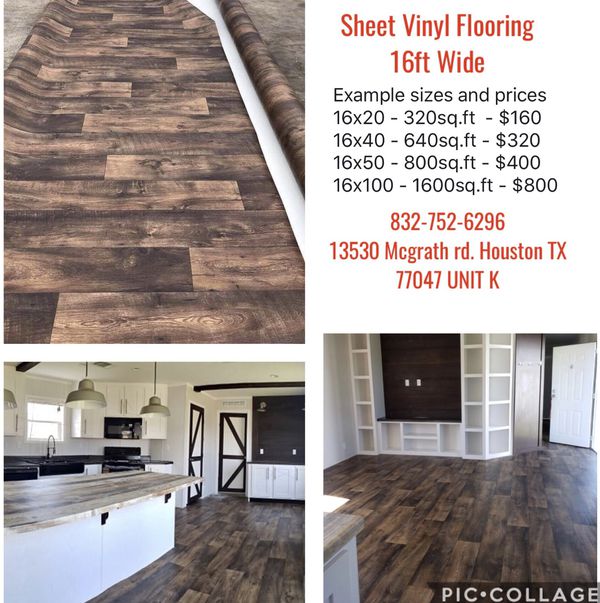
32 Most Who Sells 15 Ft Wide Vinyl Sheet Flooring | 16 Ft Wide Vinyl Sheet Flooring
- In addition, vinyl floorcoverings may be applied over old flooring, and are easily cleaned with a vacuum or a mop with soap and warm water. To the delight of many householders, with proper care, many brands do not require waxing. Polyurethane coatings render a high-gloss finish that emulates a shiny, waxy surface and generally stays rather shiny over the years. If dulled, a special vinyl floor finish may be applied. However, vinyl floorcoverings are not as durable as ceramic tile and will have to be replaced periodically. Source:
Internet - 6 The matte or high-gloss vinyl sheet flooring is then cut to rolls that are 12 ft (3.66 m) wide x 1,500 ft (457.2 m) long that can be subdivided based on the needs of retailers. Source:
Internet - The best instance of durability and stability comes from vinyl tiles and planks made on a hot press, which is how Parterre’s LVT is manufactured. Made hands-on, the vinyl is pressed under immense heat and pressure. Unlike vinyl sheets, the process applied to vinyl tiles and planks creates well-bonded and extremely hard layers. This means that over time, vinyl tiles and planks will withstand use far better than vinyl sheets. Source:
Internet - However, while vinyl sheets may be suitable for many of the same applications, they will not perform nearly as well—especially when it comes to repairs. In a high-traffic or commercial setting vinyl sheets perform well under normal circumstances, but with the heavy use, eventually they are bound to require repairs. The cost and time of repairs and re-installation should be carefully considered depending on your desired commercial application. Source:
Internet - As previously discussed, sheet vinyl is created on a large calender press in big (6’x50’-80’) rolls. In producing the vinyl this way, it is by nature, less durable and stable than vinyl tiles and planks. High speed, large quantity production means that there is less concern for precise crafting and the quality of the product suffers. Source:
Internet - 2 The slurry is laid down on the felt or wood pulp backing via a reverse roll coater—it is poured on and smoothed out. The coated sheet then goes through an oven where the vinyl foam is gelled. The oven is heated just enough for the vinyl resin to absorb the plasticizer and set. Source:
Internet - A trait that both sheet vinyl and vinyl tiles/planks share is their resistance to moisture. While no vinyl is completely impervious to moisture, it does stand up nicely to wet stress. Either sheet vinyl or tail and plank vinyl can be damaged under extreme circumstances, however. Tile and plank vinyl can get damaged at the seams if topical water is not cleaned up in a reasonable amount of time. Likewise, sheet vinyl, if left under water for long periods, can curl. Source:
Internet - The design departments of vinyl floorcovering companies are constantly seeking new inspiration for successful patterns and colors that will work in sheet and tile form. The designers work with marketing groups to determine what colors and styles will capture the public's interest as much as five years from current production. The designs are transferred from drawing to computer, and mock-ups of the different patterns are produced in an array of colors. The designs are then printed off of the computer on full-size paper and in full color. Source:
Internet - Linoleum was tremendously popular from 1900 until after the World War II when floorcovering manufacturers sought to replace linoleum with other long-wearing fashionable, easily maintained floorcoverings. By the late 1950s, resilient floorcoverings were here at last—these included vinyl flooring which gives slightly as one walks across it. These vinyl floorcoverings were far brighter and more colorful than linoleum because the vinyl floorcoverings were made with a clear vinyl gel which made the printed colors vibrant. As a 1960 Sears Catalog proclaimed about vinyl floorcoverings: "All gloss and glow—no hard work!" Source:
Internet - No hazardous materials are unleashed into the environment as a byproduct of the manufacture of vinyl floorcovering. Waste products are either recycled at the point of manufacture or sent to a reclaimer for disposal. The heavy metal stabilizers and pigments used by the vinyl floorcovering industry were replaced years ago with those considered more environmentally safe. Presently, the industry is examining ways to utilize waste vinyl which results from manufacture as well as recycle or reclaim the scrap vinyl floorcovering discarded by the consumer. Source:
Internet - 4 A second mixing of plasticizer and vinyl are applied on the printed gel. The gel (with backing) is run through an oven at an even higher temperature. In the oven, the vinyl resin absorbs the plasticizer and melts, creating a clear vinyl. This is known as the wear layer, which takes the brunt of foot traffic. Printed patterns and inlaid patterns are thus protected under this wear layer rendering the pattern durable. Source:
Internet - If you found this comparison of luxury vinyl tile vs. sheet vinyl helpful, you can find more information on our blog, including a recent post entitled “Why is Vinyl Flooring The Fastest Growing Material?” We at Parterre are the leaders in modern, high-quality premium vinyl flooring. But beyond modern quality, the products we create are works of art. We would love to help you bring the vision of your next project to life. Source:
Internet - Vinyl flooring in general is both made from and has the potential to become recycled material. Parterre luxury vinyl flooring is comprised of recycled material and is 100% recyclable (although sheet vinyl contains less recycled material since it must be rolled). Parterre takes eco-friendly practices one step further—our LVT is made from a material (PVC) whose main component is an extremely abundant resource—salt. Source:
Internet - If a full-scale paper pattern is approved for further development, printing plates either 18 x 24 in (45.72 x 61 cm) or 24 x 36 in (61 x 91.44 cm) in size are created by engravers. These plates are then used to print samples of the pattern on undecorated flooring (called gel stock) as prototypes. The wear layer, or final, often shiny surface of the sheet flooring, is applied over the printed pattern, so the designers have a close approximation of the finished product. Source:
Internet - In addition to a greater number of styles, vinyl tiles and planks also allow for endlessly customizable designs. While vinyl sheets must be installed in one or two large pieces, vinyl tiles and planks are installed in any desired configuration. It is even possible (and quite easy) for the installer to cut individual tiles and planks to create any number of shapes, patterns and designs. Sheet vinyl has its upsides in terms of practical applications though, including healthcare where there is a need for less seems. Source:
Internet - 5 If the pattern requires a matte finish, the sheet vinyl is essentially ready to be rolled. However, patterns designed with a high gloss finish receive a layer of polyurethane coating via rollers. The thickness of this coating is controlled with an air knife to insure a consistent thickness. The polyurethane coating is cured photochemically with ultraviolet radiation lamps and is ready to be rolled. Source:
Internet - As with many household materials, vinyl sheet and tile flooring comes in residential grade and commercial grade. Residential vinyl flooring varies in thickness, method used for imprinting or decorating, and style. Commercial vinyl floorcoverings conform to specifications that require superior durability and stain resistance (particularly use-ful in hospital settings). Some commercial-grade vinyl floorcovering is non-slip for high public traffic areas. Source:
Internet - The primary components of vinyl floorcoverings include polyvinyl chloride (or vinyl) resins, plasticizers (high molecular-weight solvents), pigments and trace stabilizers, and a carrier sheet or backing. The backing may be felt or highly filled paper made from wood pulp and calcium carbonate. High-gloss surface vinyl sheets or vinyl tiles have an additional polyurethane coating applied at the end of the process. The glue applied to the back of some vinyl tiles (to make a pressure-sensitive adhesive) is made from organic resins. Source:
Internet - Installation is a point that too often goes overlooked. The installation process of sheet vinyl vs. vinyl tile is night and day. Source:
Internet - Now imagine stacking boxes of vinyl tile and planks into the elevator, moving everything in the project area to one side and laying half the vinyl tiles. Now simply move everything onto the freshly laid vinyl tiles, flooring the rest and calling it a day. Vinyl tile and plank can be installed easily and quickly. Source:
Internet - Imagine hauling a 6’ roll of vinyl sheeting to a third-floor project. Elevator, stair or crane, any way you look at it there is immense hassle involved. And when you do manage to bring the vinyl into the project area, the area needs to be completely cleared out so the vinyl sheet can be rolled out and cut. The cuts must be perfect so it is not an amateur job. All of these add up to a time consuming and expensive installation. Source:
Internet - These vinyl floorcoverings are preferred by many homeowners for their ease of installation—many do-it-yourselfers are able to install them with relative ease. However, vinyl sheet floorcoverings that are 25-30 mils may difficult to handle or install for the unskilled homeowner. The vinyl tiles are far easier to install and are the vinyl flooring most often installed by the home-owner. Furthermore unlike other flooring materials, sharp blades will easily cut the vinyl flooring so that it may conform to corners, cabinets, and curves. Source:
Internet - Sheet vinyl is typically made on 6 to 15-foot wide, 3-foot diameter calendar presses. Each press is bulky, expensive, and capable of making one style of sheet vinyl. Offering a wider selection of styles and designs would be costly—defeating the purpose of creating commodity vinyl. Source:
Internet - And this gap continues to be relevant today. Sheet vinyl, the easiest and cheapest to make, touts its low price while vinyl tiles and planks, especially luxury-grade, continue to advance in design, quality and overall value. So, if you’re considering vinyl for your project, read on to discover the sheet vinyl vs. vinyl tile difference. Source:
Internet - The cost of sheet vinyl vs. vinyl tile is fairly comparable, with a few caveats. At around $1—$4 per square foot, vinyl sheets are cheaper than the $2—$5 per square foot vinyl tiles and planks. However, as you now know there is a lot hidden in that price gap. Source:
Internet - While the construction technology behind sheet vinyl and vinyl tile design is quite similar, its application is quite different. Both flooring solutions feature a photograph set below the wear layer. This printed layer gives the flooring its design—stone and wood, the most popular styles today, are available in both sheet and tile form. However, because of the difference in production processes, vinyl tiles and planks far exceed sheet vinyl in terms of variety, type, and nature realism. Source:
Internet - Extra-wide vinyl flooring is available in a multitude of colors from gray to deep brown. The soft grays and lighter wood looks are perfect for modern and bright homes, while the darker colors are ideal for traditional, elegant spaces. Regardless of the style, extra-wide flooring is very durable. It withstands high amounts of traffic, making it ideal for homes with pets and children. Source:
Internet - Vinyl sheet flooring, particularly, varies in thickness and in manner decorated. Thinner sheet vinyl is 10-15 mils (mils are a thousandths of an inch) in thickness as opposed to longer wearing sheet vinyl (which is also more expensive) that may be 25-30 mils thick. Patterns may be printed with a rotary press (called rotogravure printing) or with large plates engraved intaglio with the design engraved below the surface of the metal. Both printing methods impress a pattern on top of the gel layer of foam and underneath the wear layer, rendering a relatively durable pattern. Source:
Internet - Give your rooms new dimension with extra-wide vinyl flooring. This innovative flooring product gives you a way to make your rooms distinctive and create a customized layout. The extra-wide width of the boards gives each room its own style and artistic look. Source:
Internet - Regardless of your home's style there is sure to be an extra-wide vinyl flooring that fits your space. It comes in a variety of colors and board thicknesses and can be waterproof as well. Many of the varieties can be installed above or below grade and come with a lifetime residential or fifteen-year commercial warranty. Source:
Internet - Stored in tightly-wound rolls, vinyl sheets are imbued with a memory for curling. Like a piece of paper rolled into a scroll, vinyl sheets, when unrolled and laid want to curl up. So, if seams are not properly sealed and if water compromises the adhesive, vinyl sheeting will curl causing an unsightly scene and posing a tripping risk. Vinyl tiles and planks, however, are never rolled. They are stored in a flat stack. Source:
Internet - 1 Vinyl resins and plasticizers are stirred together in a vat to make a plastisol. To this plastisol, AZO compound (which consists of two nitrogen atoms that are united at both ends to separate carbon atoms) is added. When the resins, plasticizers, and AZO compound is heated, the AZO compound decomposes forming nitrogen gas bubbles. From this mixture, a vinyl foam is produced. This vinyl foam has the consistency of pancake batter and can be spread, in a slurry, onto the installation medium or backing. Source:
Internet
Here are a few tips to help you find information about 15 ft wide vinyl sheet flooring: - Look for good places to get information about Who Sells 14 Foot Wide Vinyl Flooring. This can be done in libraries, on websites, or even by paid journalists. - When looking for information about who sells 15 ft wide vinyl sheet flooring, it's important to know that there are different kinds of online sources, like Google and YouTube. Social media sites like Facebook and Twitter are also good places to look for information about who sells 15 ft wide vinyl sheet flooring.
# Video | Who Sells 15 Ft Wide Vinyl Sheet Flooring
To get the best information about 15 foot wide vinyl sheet flooring home depot, you should read to find out how true each source is.
This article has a few videos from different places about Extra Wide Vinyl Sheet Flooring that will help you learn more about it. The Internet is a great place to find out about a wide range of things.
Here are some crucial aspects concerning Modernize your homewith ease.:
- who sells 15 ft wide vinyl sheet flooring
- 15 ft wide vinyl sheet flooring
- 15 foot wide vinyl sheet flooring home depot
- 15 Foot Wide Linoleum Flooring
- Extra Wide Vinyl Sheet Flooring
With so many websites and forums that talk about Extra Wide Vinyl Sheet Flooring, it shouldn't be hard to find what you need.
Most people are used to getting information about Modernize your homewith ease. in a very different way than this. It lets you look at the information about 15 Foot Wide Vinyl Sheet Flooring Home Depot and how it can be used in more detail.
# Images | Who Sells 15 Ft Wide Vinyl Sheet Flooring - Extra Wide Vinyl Sheet Flooring
15 Foot Wide Vinyl Sheet Flooring Home Depot - 15 foot wide vinyl sheet flooring home depot
 Save
Save
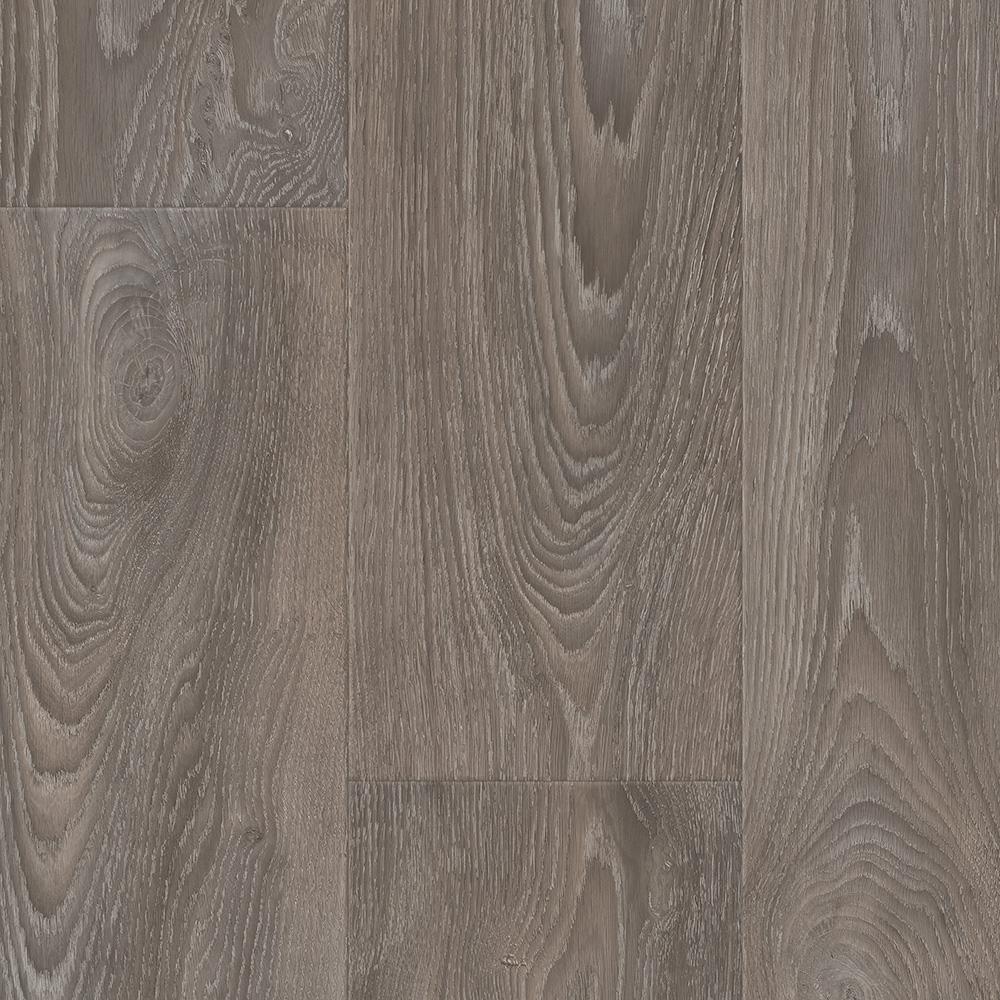
Modernize your homewith ease. - 15 ft wide vinyl sheet flooring
 Save
Save
ways to put information about 16 Foot Wide Vinyl Flooring Home Depot in a way that looks good and is useful. They can be used in business and marketing, and they can also be used to talk about 15 ft wide vinyl sheet flooring. So, we also give you some pictures about Modernize your homewith ease..
In the end, this article gives a summary of 14 Foot Wide Vinyl Sheet Flooring. Also talked about are 16 Foot Wide Vinyl Flooring Home Depot and Sheet Vinyl vs. Vinyl Tile, which you can use to compare how much you know about 15 ft wide vinyl sheet flooring.
Reference:
https://factfamilystock.blogspot.com/2022/11/7-best-wood-floor-installation-el-paso.html

0 comments